
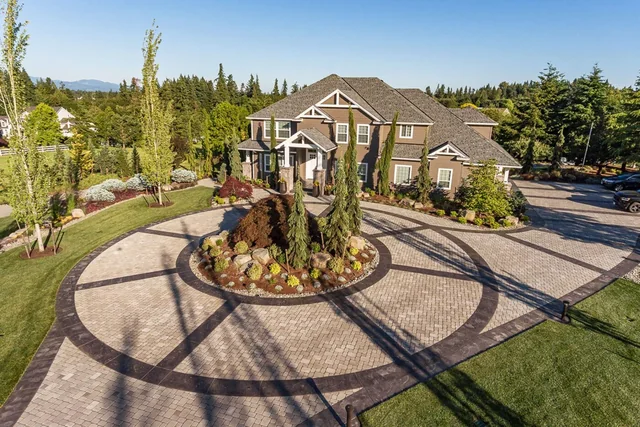
A wavy patio is not automatically a write-off. What matters is whether the pavers survived and why the surface moved.
First: is it settlement or heave?
Settlement is downward — a dish where water now collects. Heave is upward — a hump, usually in the same place each spring. Settlement usually means the base was not compacted. Heave usually means water is trapped in the base or subgrade.
Lift and relay
If the pavers are sound, the affected area is lifted, the base corrected, and the same stone goes back. It is the most common fix, it costs a fraction of new material, and it addresses the cause rather than the symptom.
Partial rebuild
Where only one zone moves — typically where a downspout discharges or where a tree root has intruded — that section gets rebuilt and the rest stays.
Full replacement
Justified when pavers are spalling, the pattern cannot be matched, or the whole field was built on almost no base at all. At that point you are paying twice for the original decision.
Do the water first
If a downspout, sump discharge or neighbouring grade is feeding water under the surface, fix that before any stone goes back. Otherwise you are buying the same repair again.
Read next
How deep should a paver base be in the GTA?
The single number that separates a patio that lasts from one that is relaid in five years.
ReadPolymeric sand: what it does and when it fails
Why the joints matter as much as the pavers, and the three mistakes that ruin a fresh install.
ReadWhat makes one interlock driveway cost twice another
Five variables that move the number, and only one of them is the stone you pick.
ReadFree estimate
Planning something like this?
Send the address and a photo, or call or text 647-621-8592.