
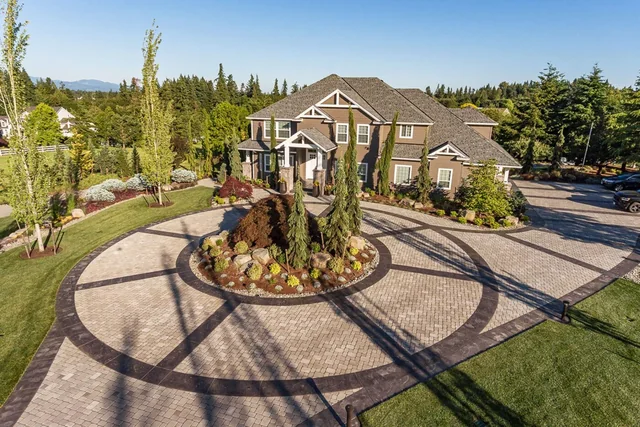
Old interlock often looks worse than it is. These four checks separate a weekend of resetting from a full rebuild.
1. Are the pavers sound?
Chipped edges are cosmetic. Spalling faces, crumbling corners and units breaking under load are not — that is material at the end of its life.
2. Is the movement local or everywhere?
One dished area near a downspout is a drainage fix. Waves across the whole field means the base was never right.
3. Can the pattern be matched?
If the line is discontinued and you need to replace units, the transition has to be designed rather than patched.
4. What is the water doing?
If a downspout, sump or neighbouring grade feeds water under the surface, that gets fixed first regardless of which route you take.
Lift and relay costs a fraction of replacement and fixes the cause. It is the right answer far more often than contractors admit.
Read next
How deep should a paver base be in the GTA?
The single number that separates a patio that lasts from one that is relaid in five years.
ReadPolymeric sand: what it does and when it fails
Why the joints matter as much as the pavers, and the three mistakes that ruin a fresh install.
ReadWhat makes one interlock driveway cost twice another
Five variables that move the number, and only one of them is the stone you pick.
ReadFree estimate
Planning something like this?
Send the address and a photo, or call or text 647-621-8592.